Deodorant for Sensitive Skin: Why Your Pits Itch and What to Use
Dr. WolfThe rain had been drumming on the lab roof since lunch, and I was halfway through relabeling a shelf of specimen jars when The Lightning Rod burst through the door with one arm raised over his head like a man hailing a carriage. "Doc. It itches. It burns. I switched deodorants on Monday and now my pit looks like a sunburned tomato." I set down the jar, pulled the lamp closer and got to work.
Here's the short answer I gave him. The best deodorant for sensitive skin is the one that leaves out whatever your skin is reacting to. For most people that's one of four things: fragrance, baking soda, the aluminum salts in antiperspirant, or skin that's already raw from shaving. Pick a formula without your trigger, patch test it before it goes on your whole underarm, and give freshly shaved skin a break before you swipe anything on it. If you react to fragrance, that means a fragrance-free deodorant, full stop.
- The usual suspects behind itchy, red armpits are fragrance (including essential oils), baking soda, aluminum salts, and shaving right before you apply.
- If fragrance is your trigger, look for a fragrance-free formula and read the ingredient list, not just the front of the stick.
- Patch test any new deodorant on a small spot for a few days before it goes on both underarms.
- Fable's natural deodorants are all scented, so they suit people whose skin handles fragrance well, not people who react to it.
- A rash that hangs on, spreads or blisters needs a dermatologist, not another product swap.
Why your armpits itch after you change deodorant
Your underarm is a strange patch of skin. It's thin, it folds, it stays warm and damp, and you scrape it with a razor every few days. Then you rub a stick across it and trap the whole thing under a shirt for twelve hours. Anything that's mildly irritating anywhere else gets a lot of help there.
When a deodorant bothers your skin, it usually happens one of two ways. The first is plain irritation: the product is harsh on the skin barrier, and the more often you use it, the angrier the skin gets. The second is an allergy. A small number of people become allergic to a specific ingredient, and once that happens, even a tiny amount sets off itching and redness, sometimes a day or two after you apply it. Doctors call both of these contact dermatitis. You don't need to tell them apart at home. You need to find the ingredient and stop putting it on.
The four usual culprits
Lab notes from a lot of rainy afternoons. These are the ones I check first.
1. Fragrance
Fragrance is one of the most common reasons people react to personal care products. That includes "natural" scent. Essential oils are plant chemicals, and some of them are well-known skin irritants for sensitive people. A deodorant that smells like lavender from a real field can bother your skin just as much as one that smells like a lab.
A label trap worth knowing: "unscented" and "fragrance-free" aren't always used the same way. Some unscented products contain a masking fragrance to hide the smell of the other ingredients. Read the ingredient list. If you see "fragrance," "parfum" or a lineup of essential oils, it isn't fragrance-free.
2. Baking soda
Baking soda shows up in a lot of natural deodorants because it helps with odor. It's also strongly alkaline, while healthy skin sits on the acidic side. For some people, swiping it on every day leads to a baking soda deodorant rash: redness, a burning feeling, sometimes darker or peeling skin right where the stick touches. It often doesn't show up the first week. It builds.
3. Aluminum salts
Aluminum compounds are what make an antiperspirant stop sweat. Some people find them stinging, especially on freshly shaved skin. A deodorant doesn't stop sweat; it handles the smell. If you're not sure which one you're using, read aluminum-free deodorant vs antiperspirant for the full difference.
4. Shaving (and the timing of it)
Sometimes the deodorant isn't guilty at all. A razor scrapes off the top layer of skin and leaves tiny nicks. Put anything on that skin within minutes and it stings. Shave at night and apply deodorant in the morning, or wait a few hours after shaving. Use a sharp blade, too. A dull one drags.
Other things can pile on: alcohol in sprays, propylene glycol, tight synthetic shirts, and even a new laundry detergent. If you changed three things in one week, you'll have a hard time finding the one that did it.
What to look for in a deodorant for sensitive skin
There's no single magic formula, because "sensitive" means different things for different people. Match the product to your trigger.
| If your skin reacts to... | Look for | Watch out for |
|---|---|---|
| Fragrance | A fragrance-free formula | "Unscented" with fragrance or essential oils in the list |
| Baking soda | A formula that doesn't list sodium bicarbonate | "Natural" sticks that lead with it |
| Aluminum | A deodorant, not an antiperspirant | Clinical-strength antiperspirants |
| Shaving | Any gentle formula, applied hours after shaving | Sprays with alcohol on fresh nicks |
| Nothing you can name yet | The shortest ingredient list you can find | Switching products every few days |
If you're also growing a beard and the skin under it gets touchy, the same thinking applies there. I wrote up a whole routine for that in beard care for sensitive skin.
How to patch test a new deodorant
A quick dab on one wrist for an hour won't tell you much. Allergic reactions can take a day or two to appear. Here's the experiment I run.
- Let your skin calm down first. If you have a rash right now, stop the old product and give it a few days to settle before you test anything new.
- Pick a small spot. The inside of your elbow works, or a coin-sized area of one underarm.
- Apply it like you'd use it. Once or twice a day, on unshaved skin, for about five days.
- Watch for redness, itching, burning or bumps. Any of those means stop. No reaction means you can try the full underarm.
- Change one thing at a time. Same soap, same detergent, same shaving schedule while you test.
Switching to natural deodorant without the rash
Plenty of people get an itch in the first weeks after leaving antiperspirant and assume it's the "detox." Usually it's simpler than that. They're sweating more, the skin is damp more often, and the new product may contain an ingredient their skin doesn't like. A few habits help:
- Apply to clean, fully dry skin. Damp skin plus a stick equals friction.
- Use a thin layer. Two swipes, not ten.
- Don't shave and swipe in the same five minutes.
- Wash your underarms every day, and reapply after a sweaty workout if you need to.
Odor during the first couple of weeks is a separate problem from a rash. Switching to natural deodorant covers that adjustment period, and how to get rid of armpit odor covers the smell itself.
Where Fable's deodorants fit (and where they don't)
I'd be a poor scientist if I skipped this part. Every Fable deodorant is scented. We don't make a fragrance-free one. So if fragrance is what sets your skin off, ours aren't the right pick for you, and you should look for a fragrance-free formula instead.
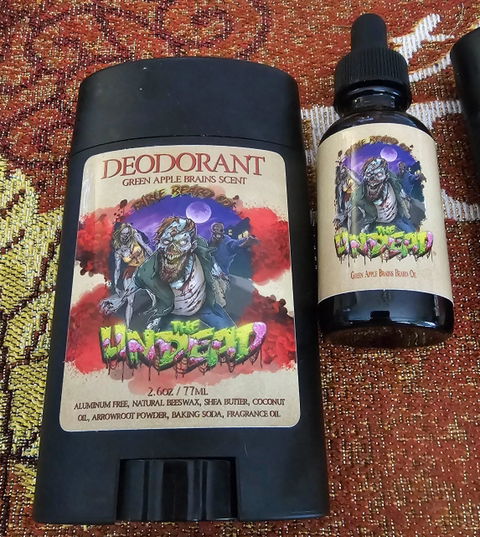
If your skin handles fragrance fine and you want your deodorant to match your beard oil, that's where our natural deodorant comes in. Each one is $13.99. Patch test it like anything else, and check the full ingredient list on the product page before you buy.
- Dr. Wolf Natural Deodorant. Fresh blueberries, warm tobacco and aged mahogany. My own, and it matches my beard oil, so the whole kit tells one story.
- The Teacher Natural Deodorant. Fresh apples, wild berries and creamy vanilla. A softer, sweeter choice for guys who don't want anything smoky.
- The Druid Natural Deodorant. Creek moss, tobacco leaf and bergamot. Green and a bit earthy.
Not sure which scent is yours?
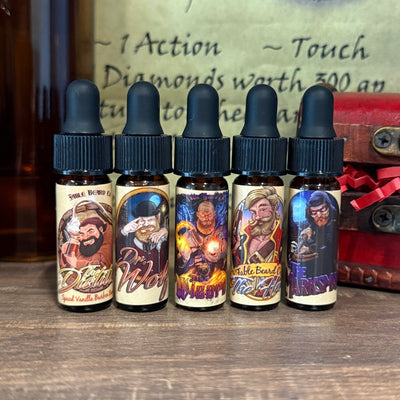
Run the experiment on your beard before you commit your underarms to a scent. Try the Adventure Pack: five best-selling beard oil samples (The Hero, The Wizard, The Marksman, Dr. Wolf and The Distiller) for $29.99.
When it's more than a deodorant problem
Here's the one warning I'll give, and I mean it. If the rash lasts more than a week or two after you stop the product, spreads beyond your underarm, blisters, oozes, or comes with a fever, swollen glands or a lump, see a dermatologist or your doctor. The same goes for an itch that keeps you up at night. Armpit rashes can also come from fungal infections, eczema, folliculitis and other conditions that no deodorant swap will fix. A dermatologist can also run patch testing to find the exact ingredient you're allergic to.
FAQ
What is the best deodorant for sensitive skin?
The one that leaves out your trigger. If fragrance bothers you, choose a fragrance-free formula. If baking soda or aluminum does, choose one without it, and patch test before full use.
Why does natural deodorant give me a rash?
The most common reasons are baking soda, fragrance or essential oils, and applying it right after shaving. Natural doesn't automatically mean gentle, so check the ingredient list for those first.
Is unscented deodorant the same as fragrance-free?
Not always. Some unscented products contain a masking fragrance to cover other smells. Read the ingredient list for "fragrance," "parfum" or essential oils.
How long should I patch test a new deodorant?
Several days is better than a few hours, because allergic reactions can take a day or two to show. Use it on a small spot once or twice a day and stop if you see redness, itching or bumps.
Are Fable deodorants good for sensitive skin?
They're all scented, so they're a fit for people whose skin handles fragrance well. If fragrance irritates you, pick a fragrance-free formula instead. Either way, patch test first.
Should I stop shaving my armpits if they get irritated?
Taking a break while the skin heals helps. After that, shave with a sharp blade and wait a few hours before applying deodorant.
One last thing
The Lightning Rod came back a week later, still in a hurry, arm up again. This time it was to show me the tomato was gone. His new stick passed the patch test on unshaved skin. The real trouble was swiping it on two minutes after a morning shave. He moved his razor to the evening, and I went back to my jars while the rain kept drumming on the roof.
Your beard, your story.
— Dr. Wolf