Beard Transplant: Cost, Recovery and What to Know First
Dr. Wolf11:48 PM. The clinic is quiet, the moon is almost full, and the last patient of the night is sitting on my exam table rubbing a bare patch on his left cheek. He didn't come in for a fever. He came in with a printout about a beard transplant and one question: "Is this worth it, Doc?" I've learned to keep my claws in and give the same calm answer every time.
Here's the short answer. A beard transplant is a real surgical procedure where a surgeon moves hair follicles, usually from the back of your scalp, into the patchy parts of your face. It can work well for the right person, but it costs thousands of dollars, the final results take most of a year, and it carries the same risks as any surgery. Before you book anything, give your beard time, try styles that hide the gaps, and talk to a board-certified surgeon or dermatologist who does hair restoration for a living. Beard oil won't grow hair, and neither will anything else in a bottle that promises to.
- A beard transplant moves follicles (most often from the back of the scalp) into thin or bare areas of the face, typically using a method called FUE.
- Cost varies widely. In the US, many people report paying somewhere between about $3,500 and $16,000, and insurance usually treats it as cosmetic.
- Expect scabs first, then the new hairs often shed, then regrowth over several months. Full results can take 9 to 12 months or longer.
- Try the cheap, reversible options first: time, a smarter style, and a beard filler for photos.
- Beard oil cares for the hair and skin you already have. It doesn't grow new hair.
What is a beard transplant, exactly?
A beard transplant (you'll also see it called a facial hair transplant) is a form of hair restoration surgery. The surgeon takes individual follicles from a donor area and places them, one by one, into the parts of your face where hair is thin or missing. The goal is a fuller, more even beard that grows on its own once it settles in.
Most surgeons use FUE, short for follicular unit excision. They harvest small groups of one to a few hairs with a tiny round punch, usually from the back of the scalp because that hair tends to be dense and stubborn. Some surgeons use a strip method instead. Depending on your goals, the job can call for a few hundred grafts to fill a small patch or 2,000 or more for a full beard, and some men need more than one session.
The procedure is usually done under local anesthetic, so you're awake but numb. The transplanted hairs keep the traits of where they came from, which is part of why matching texture and color matters so much.
Who's a good candidate (and who isn't)?
In my clinic I'd sort people into three loose groups.
- Often a reasonable fit: Adult men whose beard has stopped filling in after years of trying, men with patches from scars or old injuries, and men with healthy donor hair on the scalp that's a close match in color and texture.
- Should probably wait: Younger guys whose beards are still coming in. Facial hair can keep filling in well into your twenties and sometimes later, so patience is cheaper than surgery.
- Needs a doctor first: Anyone with sudden, circular bald patches, patches that spread, or patchiness with other symptoms. That can point to a medical condition such as alopecia areata, and a transplant isn't the first answer there. See a dermatologist.
A good surgeon will also look at your scalp. If you're losing hair up top, they'll want to protect that donor supply in case you ever want it there instead.
Beard transplant cost: what affects the price
There's no single price tag, and anyone who quotes you a number without seeing your face is guessing. Patient-reported prices in the US commonly land somewhere between about $3,500 and $16,000, with plenty of quotes in the middle. Clinics abroad may charge less, but travel, follow-up care and the cost of fixing a bad result can erase that gap fast.
| Factor | Why it changes the cost |
|---|---|
| Number of grafts | Filling a small chin patch takes far fewer grafts than building a full beard. |
| Method | FUE, strip harvesting, or a combination are priced differently. |
| Surgeon's experience | Facial work is detailed. Experienced hair restoration surgeons often charge more. |
| Location | Big-city clinics tend to cost more than smaller markets. |
| Extra sessions | Some men need a second round to reach the density they want. |
Insurance usually considers a beard transplant cosmetic, so plan to pay out of pocket unless it's tied to reconstructing an injury. Ask any clinic for a written quote that includes follow-up visits.
Beard transplant recovery: the timeline
Results don't show up the week after surgery. Here's a rough timeline, and your surgeon's version is the one to follow.
- Days 1 to 7: Small scabs form around each graft, and you may see redness or a little swelling on the face and at the donor area. Most people go back to desk work within a few days.
- Weeks 1 to 2: Scabs fall off. Your surgeon will tell you when you can wash normally and when you can shave or trim again. Don't pick, scratch or rub.
- Weeks 2 to 6: Many of the transplanted hairs shed. This is common and usually expected. The follicle stays under the skin.
- Months 3 to 4: New hairs often start to appear, sometimes thin and uneven at first.
- Months 6 to 12 and beyond: The beard fills in. Real beard transplant results are usually judged around the one-year mark, not earlier.
If you're the impatient type, those middle months can feel a lot like the beard awkward stage all over again. Plan for it.
Risks of a facial hair transplant
It's surgery, so it carries surgical risks. According to the International Society of Hair Restoration Surgery, most problems with beard transplants come down to technique, which is why the surgeon you choose matters more than the price. Possible issues include:
- Infection, swelling or temporary redness
- Small cysts or ingrown hairs at graft sites
- Grafts that don't take, leaving thin results
- Hairs that grow at an unnatural angle or don't match your beard's color or texture
- Scarring at the donor site
Here's my strongest line, and I'll say it with the full moon as my witness: book a consult with a board-certified dermatologist or surgeon who specializes in hair restoration. Ask whether the doctor does the work personally, ask to see their own beard transplant before and after photos, and ask what happens if grafts fail. If the answers are vague, walk.
Try these first: alternatives to a beard transplant
I like the least invasive option that solves the problem. Before surgery, consider these.
- Time. Grow it for three to four months without trimming the shape. Hairs that look sparse at four weeks can cover a lot more at sixteen.
- A smarter style. Shorter cuts, a goatee or a Balbo can hide gaps instead of highlighting them. See our guide to patchy beard styles.
- A beard filler. A pencil or powder can fill in patches for photos and big days, and it washes off. Read more about beard filler.
- A medical opinion. Some people ask a doctor about medications for facial hair. Those come with their own side effects and aren't for everyone, so that's a conversation for your physician, not a blog post.
Where beard oil fits (and where it doesn't)
Let me be clinical about this. Beard oil does not grow hair, fill patches, or replace a transplant. What it can do is soften the hair you have, reduce dryness and flaking on the skin underneath, and make a thinner beard look neater and more cared-for. If you do get a transplant, ask your surgeon when it's safe to put any product on your face again, and follow that timeline exactly.
My picks for the beard you already have
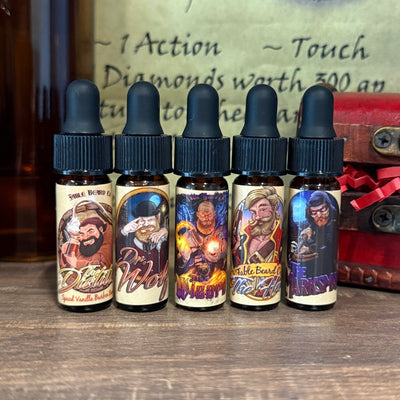
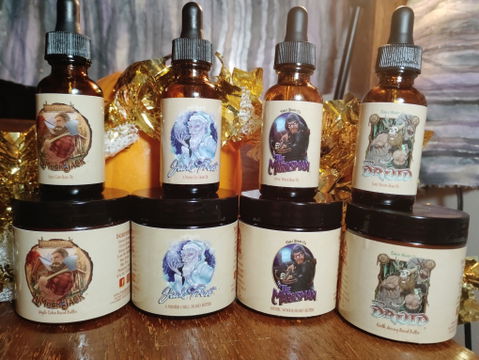
- Dr. Wolf Beard Oil. 1 oz, $18.99. Fresh Blueberries, Warm Tobacco, Aged Mahogany. My own blend, made with castor, coconut, sweet almond, argan and jojoba oils plus fragrance oil.
- The Barkeep Beard Oil. 1 oz, $18.99. No added fragrance, for men who want the same base oils without any scent.
- Dr. Wolf Beard Wash. $21.99. Fresh Blueberries, Warm Tobacco, and Aged Mahogany. A beard-specific wash for the cleaning step before oil.
Sweet almond and argan come from tree nuts, so if you have a nut allergy, talk to your doctor and patch test on your jaw first.
Not sure which scent is yours?
Doctor's orders: smell a few blends on your own jaw before you commit to a full bottle. Try the Adventure Pack: five best-selling beard oil samples (The Hero, The Wizard, The Marksman, Dr. Wolf and The Distiller) for $29.99.
FAQ
How much does a beard transplant cost?
It varies widely. In the US, patient-reported prices often fall somewhere between about $3,500 and $16,000, depending on the number of grafts, the method, the surgeon and the location. Insurance usually treats it as cosmetic.
How long until I see beard transplant results?
Many of the transplanted hairs shed in the first few weeks, new growth often starts around months 3 to 4, and results are usually judged at about a year. Your surgeon can give you a timeline for your case.
Is a beard transplant permanent?
Transplanted follicles that take are generally considered long-lasting, since they usually come from hair that resists thinning. Not every graft survives, though, and some men need a second session.
Does a beard transplant hurt?
It's usually done under local anesthetic, so most people feel the numbing injections more than the procedure. Some soreness, redness and swelling afterward is common.
Can beard oil grow hair in patchy spots?
No. Beard oil softens the hair you have and helps with dry skin underneath, which can make a thin beard look neater. It doesn't create new hair.
Who should I see about a facial hair transplant?
Start with a board-certified dermatologist or surgeon who specializes in hair restoration. Ask who performs the procedure, how many beard cases they've done and to see their own before and after photos.
One last thing
12:20 AM. My patient folded his printout, put it in his jacket and said he'd give the beard until spring before he books a consult. Good plan. I turned off the exam light, the moon came up over the clinic roof, and I could feel my own beard getting a lot less patchy by the minute. Some of us don't need a surgeon for that. You might not either.
Your beard, your story.
— Dr. Wolf