Best Beard Styles for a Patchy or Thin Beard
The WizardFrom the Wizard's journal, entry #1,352: Cleaning out the tower this week, I found a portrait of myself at twenty-three, and I'd forgotten that beard. A decent chin, a mustache that quit a half inch short of the corners of my mouth, and two cheeks that looked like a field after a hard frost. I wore it that way for most of a year, too stubborn to trim it into anything, and I looked like a man who'd lost an argument with a hedge.
What I needed back then was a style, not more time. The best patchy beard styles keep hair where yours grows thick and take it away where it doesn't, so the gaps look planned. Thin cheeks? A balbo, goatee or Van Dyke drops the cheeks entirely. A gap between your mustache and chin? Pick a style where that gap is part of the design. Thin spots scattered everywhere? Keep it all short, as stubble or a tight corporate beard. And on anything longer than stubble, a little balm and a brush will cover more than you'd expect.
- Pick your style by where the gaps are: cheeks, chin, the mustache gap or the neck. The table below matches eight styles to each one.
- The patchier the beard, the shorter you keep it. Scattered thin spots read as shadow at stubble length and as bare skin at two inches.
- Balbo, goatee and Van Dyke styles drop thin cheeks on purpose, so the empty space looks like a choice.
- On anything longer than stubble, a pea-sized bit of balm and a brush let you steer thick hair over thin spots.
- The most common mistake is letting wispy cheek hair grow long. Trim it short or shave it clean.
First, figure out where your patches are
Put the razor down for two or three weeks, then stand under a bright overhead light (a bathroom vanity is perfect, and also merciless). Most thin beards fall into one or two of these patterns:
- Cheeks. The most common one. Hair is thin or missing on the upper cheeks, sometimes with a bare stripe between the sideburn and the jaw.
- Chin. A thin spot under the lower lip, or a chin that splits down the middle.
- Mustache gap. The mustache stops before it reaches the chin, leaving two bare spots at the corners of your mouth where the "connectors" should be.
- Neck. Growth thins out under the jaw, so the beard looks fuzzy instead of full from the side.
Got two patterns? Hide the one you notice most.
Patchy beard styles, matched to your gaps
| Style | Hides patches on | Length | Trim it like this |
|---|---|---|---|
| Stubble / 3-day beard | Scattered thin spots anywhere | 2 to 5 mm | One guard length all over, clean neckline |
| Short boxed beard | Upper cheeks, light neck | 1/2 to 1 inch at the chin | Sides shorter than the chin, cheek line just under the wispy zone |
| Balbo | Cheeks, mustache gap, sideburns | 1/4 to 1 inch | Shave cheeks and sideburns, keep a floating mustache |
| Goatee | Cheeks, neck, sideburns | 1/4 to 1 inch | Chin and mustache only, edges no wider than your mouth |
| Van Dyke | Cheeks, mustache gap | 1/2 to 2 inches at the point | Disconnected mustache, chin hair trimmed to a point |
| Extended goatee | Upper cheeks, sideburns | 1/4 to 1/2 inch | Goatee that runs along the jaw, cheeks shaved above it |
| Mustache-forward | Chin, cheeks, neck | Mustache full, the rest stubble or shaved | Let the mustache grow, keep everything else at 1 to 3 mm |
| Corporate short beard | Small gaps on the cheeks and neck | 1/4 to 1/2 inch | Even length, tapered sides, tidy cheek and neck lines |
A good rule of thumb: the patchier your beard, the shorter you keep it. At stubble length, a thin spot just looks like a lighter shadow. At two inches, it looks like a hole. For the full menu of looks beyond the patchy-friendly ones, see our guide to beard styles for men.
How to trim each style
Stubble or 3-day beard

The easiest fix for beard styles for thin beards. Set your trimmer to 3 mm, run it over everything, and clean up the neck an inch above your Adam's apple. Trim every two or three days so it never grows long enough for gaps to show.
Short boxed beard

Of all the patchy beard styles, this one keeps the most beard. Keep the chin and jaw at about half an inch to an inch and take the sides a guard or two shorter. Set your cheek line just below where the hair turns from solid to wispy, and no lower.
Balbo

The balbo beard is the classic answer to patchy cheeks. You keep a chin beard that wraps along the lower jaw, a mustache that floats on its own, and no sideburns. Shave a clean break at each corner of your mouth so the mustache gap looks deliberate rather than missing.
Goatee and Van Dyke


Both leave the cheeks bare. A goatee is chin hair plus a mustache, usually connected, with the outer edges lined up with the corners of your mouth. A Van Dyke disconnects the mustache and lets the chin hair grow to a point, which is the better pick when your connectors won't come in. Our goatee styles guide covers the variations.
Extended goatee

Start with a goatee, then let it run along your jawline toward your ears, stopping where the growth gets thin. Shave everything above the jaw. More beard than a goatee, nothing asked of your upper cheeks.
Mustache-forward

If your mustache is the strongest thing on your face, let it lead. Grow it out, keep the rest at 1 to 3 mm or shaved, and trim the mustache so it sits just at or slightly over the lip line.
Corporate short beard

One even length between a quarter and half an inch, with the sides tapered a touch shorter than the chin. Clean cheek and neck lines do most of the work here. Our guides on how to shape a beard and trimming your neckline walk through those lines step by step.
Using balm and a brush to cover thin spots
Once your beard is past about half an inch, you can stop trimming around the gaps and start covering them.
- Start with a towel-dried beard. Damp hair takes product evenly.
- Use a small amount. Scrape a pea-sized bit of balm with your thumbnail and rub it between your palms until it goes glossy.
- Work it in against the grain first, pushing up from under the jaw. That lifts the hair off your skin so it looks denser.
- Brush thick toward thin. Use a bristle brush to sweep hair from your jaw up over a thin cheek, or from the sides of your chin toward a split in the middle. The beeswax helps it stay there.
- Finish the mustache. Brush it down and slightly out toward the corners of your mouth to shrink a small gap.
A brush beats a comb here because a comb parts hair into rows, and rows show skin. If you want the oil side of a patchy-beard routine, our article on beard oil for a patchy beard covers what it can and can't do.
Mistakes that make a patchy beard look patchier
- Letting the cheeks grow wispy. This is the big one. Long, thin cheek hair next to a thick jaw spotlights the difference. Clip the cheeks short or shave them.
- Carving the cheek line too low. Take off only the stray wisps, not the whole thin zone.
- A neckline that's too high. Trimming up onto the jaw makes any beard look thinner from the side. Keep it about an inch above the Adam's apple.
- Too much product. A heavy scoop of balm clumps hair into strands, and the skin shows between them. Start small.
What I'd put in your bag
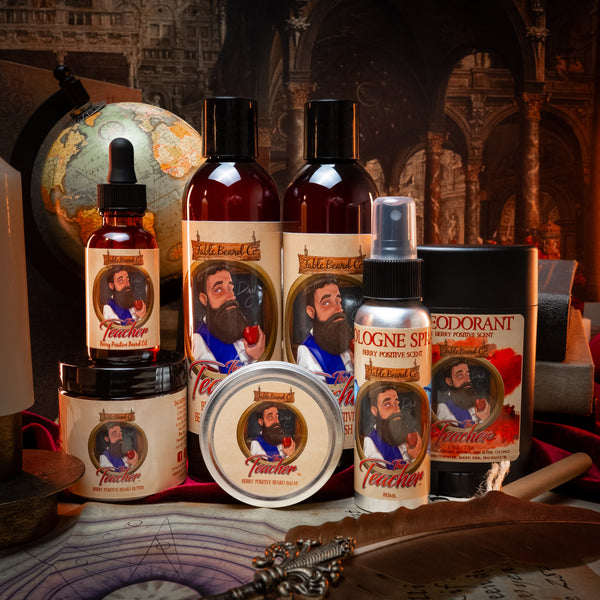
For holding thick hair over thin spots, I reach for my own Wizard beard balm. It's a 2 oz tin for $23.99 made with beeswax, shea butter and five oils: castor, coconut, sweet almond, argan and jojoba. The beeswax gives it enough hold to keep brushed hair across a gap. It smells like cauldron-brewed bourbon, toasted vanilla oats, buttercream and a bright bit of orange zest.
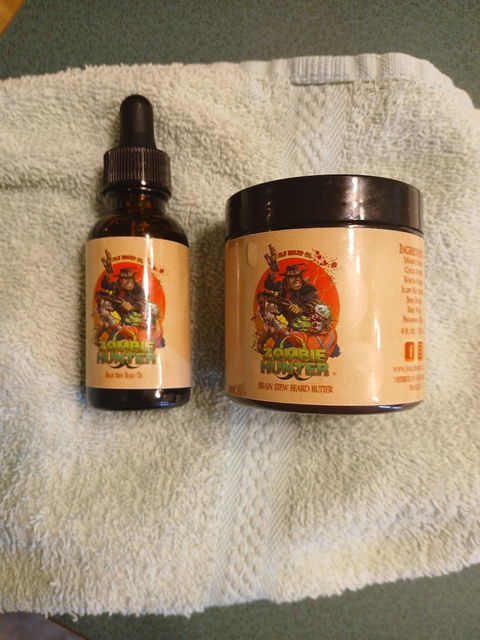
If your hair is coarse and pokes straight out no matter what, try The Wizard beard butter instead. It's a 4 oz tin for $26.99, made from shea, cocoa, kokum, illipe nut and mango butters with a little beeswax. The hold is lighter, but softer hair lies flatter, and flat hair covers more skin. Not sure which you need? Our beard balm vs beard butter guide sorts it out, and the full beard balm collection has every other scent if bourbon and orange aren't your thing.
Both contain nut-derived ingredients, so test a little on your jaw first if you've got a nut allergy or touchy skin. And if you notice a smooth, round bald spot appear suddenly where you used to have hair, that's not a patchy beard. Get it checked by a doctor.
FAQ
What is the best beard style for a patchy beard?
It depends on where your patches are. Thin cheeks suit a balbo, goatee or Van Dyke, which leave the cheeks bare. If the gaps are scattered all over, short stubble or a tight corporate beard around a quarter inch hides them best.
Should I shave a patchy beard or keep growing it?
Give it at least eight to twelve weeks before you decide, trimming only your neckline. If the patches are still obvious after that, don't shave everything. Trim into a style that keeps your thickest areas and drops the thin ones.
What is a balbo beard?
A balbo is a chin beard that runs along the lower jaw, paired with a mustache that doesn't connect to it, and no sideburns. Because the cheeks are shaved and the mustache floats on its own, it hides both thin cheeks and a gap at the corners of the mouth.
How do I hide patchy cheeks?
Either drop the cheeks with a balbo, goatee or Van Dyke, or keep the cheeks clipped short and let the jaw and chin carry the length. On a fuller beard, use a little balm and brush hair from the jaw up and over the thin spots.
How long should a patchy beard be?
Shorter than you think. Scattered patches look best at 2 to 5 mm of stubble, or a quarter to half an inch for a short beard. Only go longer if the hair around your patches is thick enough to cover them.
One last thing
That portrait is going back on the wall. The morning after I finally looked at it straight, I shaved my cheeks, kept the chin and the mustache, and wore a Van Dyke for years. Same patchy beard, it just stopped looking like an accident. Find where yours grows strong, build the style around that, and let the rest go.
Your beard, your story.
— The Wizard