How to Stop Sweaty Armpits: What Works and What Doesn't
Dr. WolfMid-morning, second lecture of the day. I raised my arm to point at a diagram of a sweat gland on the chalkboard, and forty students saw what I saw a second too late: a dark, damp ring spreading across the underarm of my white lab coat. I finished the sentence, lowered my arm slowly and wrote one line in my notebook. Subject: me. Observation: the lecture on sweat is now a live demonstration.
So, how to stop sweaty armpits? The short answer: switch from deodorant to an antiperspirant if you haven't, and apply it at night to completely dry skin, not in the morning. Deodorant only covers odor. Antiperspirant is what actually cuts down the wetness. Then help it along with breathable clothes, an undershirt, and fewer of the things that set your glands off, like caffeine, alcohol and stress. If you're soaking through shirts while sitting still in a cool room, that's a job for a doctor, not a new stick.
- Deodorant handles smell. Antiperspirant is the product that actually reduces sweat, so if wet shirts are the problem, that's what you need.
- Put antiperspirant on at night, on skin that's completely dry. It works while you sleep and holds through a morning shower.
- Give it three or four nights in a row before you judge it, then drop to whatever schedule keeps you dry.
- Breathable fabrics, an undershirt and fewer triggers (caffeine, alcohol, spicy food) help the product do its job.
- Soaking through shirts while you're cool and sitting still is a reason to see a doctor or dermatologist.
Why your armpits sweat in the first place
Lab notes first, because the fix makes more sense once you know the machinery. Your underarms have two kinds of sweat glands. One kind is spread all over your body and releases mostly water and salt to cool you down. The other kind sits in places with hair, like your armpits, and switches on with stress, nerves and adrenaline as well as heat.
Fresh sweat barely smells. The odor shows up when bacteria on your skin break it down. That's why "I sweat a lot" and "I smell" are two separate problems with two separate tools, and why so many people buy the wrong one.
The usual triggers, roughly in the order I see them:
- Heat and exercise. Your body doing its job.
- Stress and nerves. Presentations, interviews, a first date, a chalkboard.
- Caffeine and alcohol. Both can nudge your heart rate and body temperature up.
- Spicy food. Some people sweat mid-meal from a hot sauce.
- Tight synthetic clothing. It traps heat and moisture right where you don't want them.
Deodorant vs antiperspirant for sweat
This is where most people go wrong, so here's the side-by-side.
| Deodorant | Antiperspirant | |
|---|---|---|
| What it targets | Odor | Wetness (and odor, as a side effect of less sweat) |
| Reduces sweat? | No | Yes, by temporarily plugging sweat ducts near the surface |
| Best time to apply | Morning, or whenever you want to smell good | Night, on dry skin |
| Best for | Normal sweat, people who mainly care about smell | Wet shirts, visible rings, stress sweat |
| Fable makes one? | Yes | No |
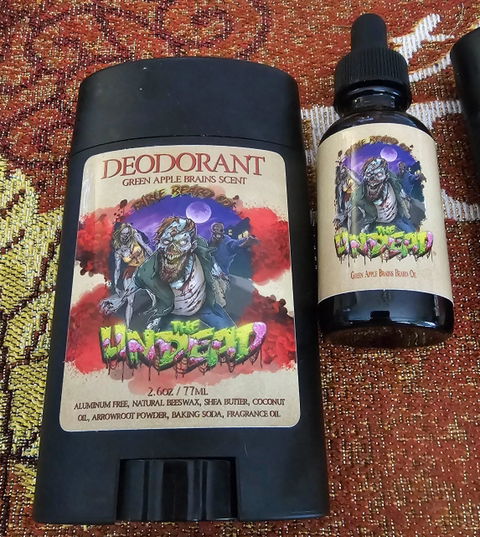
So let me be plain about our own shelf. Fable's deodorants are deodorants. They're made to help with odor and to smell good doing it. They don't stop sweat, and I won't pretend they do. If wetness is your problem, you need an antiperspirant, and you can still use one of ours alongside it. For the longer comparison, read aluminum-free deodorant vs antiperspirant.
How to stop sweaty armpits: the protocol
Here's the method I'd give any student who asked after class. Run it for a week before you draw conclusions. That's how experiments work.
- Use an antiperspirant, not just a deodorant. Check the label for the word "antiperspirant". If ordinary strength isn't enough, try a clinical-strength version before you give up on the category.
- Apply at night. Your sweat glands are quieter while you sleep, so the product has time to settle into the ducts. It keeps working the next day, even through a morning shower.
- Dry skin only. Pat your underarms fully dry first. Water on the skin weakens it and makes irritation more likely. If you just showered, give it a few minutes.
- Don't apply right after shaving. Freshly shaved skin stings and reacts more easily. Shave in the morning, apply at night.
- Be consistent for three or four nights. Then cut back to every other night or whatever keeps you dry.
- Wait before you dress. After a hot shower, cool down for a few minutes before pulling on a shirt, or you'll start the day already damp.
- Trim or shave the hair. It won't reduce how much you sweat, but less hair holds less moisture and odor, and the product reaches your skin more easily.
- Pick fabrics that breathe. Cotton, linen and merino let heat out. Looser fits under the arm help too, and a thin undershirt keeps sweat off your good shirt.
- Turn down the triggers. Cut back on the third coffee, go easy on alcohol on workdays, and save the hot wings for the weekend.
Stress sweat: the lecture-hall kind
My ring did not come from heat. The lecture hall was cool. It came from forty pairs of eyes. Stress sweat comes from those hair-zone glands I mentioned, and it tends to smell stronger than gym sweat because what they release gives bacteria more to work with.
What helps: antiperspirant the night before a big day, not the morning of. A dark or patterned shirt, or an undershirt under a light one. Slow breathing before you walk in, in for four counts and out for six. And a small kit in your bag with a spare undershirt and a deodorant for the afternoon. Knowing you have a backup takes some of the pressure off, which means less to sweat about. Hypothesis confirmed in my own coat closet.
Where a Fable deodorant fits in
Knowing how to stop sweaty armpits covers half the job. Once the sweat is under control, odor is the other half, and that's where a good deodorant earns its place. A routine that works for plenty of people: antiperspirant at night, deodorant in the morning. Let the antiperspirant dry fully first, and if your skin gets cranky, drop back to one product.
- Dr. Wolf Deodorant. $13.99. Fresh blueberries, warm tobacco and aged mahogany. My own scent, and I'm biased: sweet up front, darker underneath, a bit like me after sundown.
- The Crusader Deodorant. $13.99. Ancient citrus musk, lavender soaked sandalwood and eucalyptus spice. Cleaner and brighter, a good pick for the office or the gym bag.
The rest of our natural deodorant lineup is in one place, so you can match your deodorant to the scent you already wear on your beard. If your main concern is smell rather than wetness, how to get rid of armpit odor covers that side in detail.
Not sure which scent is yours?
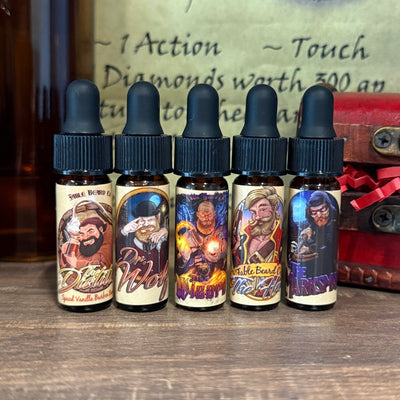
Every good experiment starts with more than one sample, and your nose deserves the same rigor. Try the Adventure Pack: five best-selling beard oil samples (The Hero, The Wizard, The Marksman, Dr. Wolf and The Distiller) for $29.99.
Those yellow rings and white streaks
A quick note from the laundry room, because sweat and stains travel together. Yellow underarm rings on white shirts usually come from sweat and antiperspirant building up together over many washes. Treat them early, wash shirts soon after a sweaty day, and let antiperspirant dry before you dress. For the full cleanup method, see how to remove deodorant stains. My lab coat has been through it.
When excessive underarm sweating needs a doctor
Some people sweat far more than the heat or the moment calls for. The medical name is hyperhidrosis, and it's common enough that dermatologists treat it routinely. Signs worth taking seriously: you soak through shirts while cool and resting, it gets in the way of work or social life, or the sweating is new and you can't explain it. Night sweats are worth mentioning too. If any of that sounds familiar, see a doctor or a dermatologist. They have prescription-strength options and treatments that go well beyond what's on a store shelf, and some medications and health conditions can cause extra sweating, which they can check for.
FAQ
Does deodorant stop sweat?
No. Deodorant works on odor, not on how much you sweat. If your shirts are getting wet, you need an antiperspirant. Fable's deodorants are deodorants, so they help with smell and leave sweat alone.
When is the best time to apply antiperspirant?
At night, before bed, on clean and completely dry skin. Your sweat glands are quieter while you sleep, which gives the product time to settle in. It keeps working the next day even if you shower in the morning.
Can I use deodorant and antiperspirant together?
Yes. A common routine is antiperspirant at night for sweat and a deodorant in the morning for scent. Let the antiperspirant dry fully first, and if your skin gets irritated, cut back to one product.
Does shaving your armpits reduce sweat?
It doesn't change how much you sweat. Less hair does mean less surface to hold moisture and odor, and antiperspirant reaches the skin more easily. Trimming short works too if you'd rather not shave.
Why do my armpits sweat so much when I'm nervous?
Stress sweat comes from glands under the arms that respond to nerves, not just heat. It tends to smell stronger than workout sweat. Nighttime antiperspirant, slow breathing and an undershirt help.
When should I see a doctor about underarm sweating?
See a doctor or dermatologist if you soak through shirts while you're cool and resting, if it gets in the way of work or daily life, or if the sweating is new and you can't explain it. Night sweats are worth mentioning too.
One last thing
I finished that lecture with my arm firmly at my side and pointed at the chalkboard with a ruler instead. That night I switched my antiperspirant to bedtime, and the next week I lectured in a cotton undershirt. The ring never came back. The students were a little disappointed. The demonstration had been the most memorable part of the course.
Your beard, your story.
— Dr. Wolf