Mutton Chops: How to Grow, Shape and Wear Them
The MusketeerThe tailor had three pins in his mouth and a fourth aimed at my collar when he stopped and frowned at my face. "Monsieur, you shave the chin and keep the sides. Is it a mistake or a style?" A style, my friend. One of the oldest and boldest in the book. He finished the collar, and I promised to explain it properly to anyone who asked.
So here it is. Mutton chops are sideburns grown long and wide down the cheeks to the jawline, with the chin shaved clean. Classic chops lose the mustache too. Friendly chops keep it and connect the two sides across the upper lip. To grow them, let your whole beard come in for about 4 to 8 weeks, then shave the chin (and the mustache, if you want the classic version), trim the neckline, and keep the sides even with a guard. Shave the chin every day or two so the shape stays sharp.
- Classic chops: wide sideburns down to the jaw, chin and mustache shaved.
- Friendly chops: the same sideburns, joined by a mustache across the upper lip. Only the chin is shaved.
- Grow everything for 4 to 8 weeks before you cut. You can't shape hair you don't have yet.
- Upkeep is the price of admission: shave the chin every day or two, trim the sides weekly, and use a little balm to keep the width under control.
What mutton chops are (and where the name comes from)
Picture a regular sideburn. Now let it keep going, wider and lower, until it covers most of the cheek and reaches the jawline. That's the chop. The shape flares out toward the bottom, a bit like a leg of mutton on a butcher's hook, which is where the name comes from.
The style had its heyday in the 1800s. One famous wearer, the American Civil War general Ambrose Burnside, wore his so proudly that people started calling them "burnsides," and over time the word flipped into the one we still use: sideburns. In the last century, rock-and-roll legends and one very angry clawed superhero kept the look alive.
The thing that makes it work is contrast. A clean chin next to two heavy columns of hair frames the face like a pair of curtains. It's dramatic. That's the point.
Classic vs friendly: pick your blade
Before you touch a razor, decide which version you're after. The cut lines are different, and you can't put back what you shave.
| Style | What stays | What gets shaved | Good for |
|---|---|---|---|
| Classic chops | Wide sideburns down to the jaw | Chin, mustache, neck | Maximum drama, a strong jaw, guys with a thin mustache |
| Friendly chops | Sideburns plus a full mustache joining them | Chin and neck | A fuller look, Movember season, guys with good lip growth |
| Short "Wolverine" chops | Sideburns kept short, often angled toward the mouth | Chin, mustache, neck | A rougher, everyday version that's easier to keep tidy |
If you've got a mustache you're proud of, go friendly. The mustache styles guide shows which shapes pair well with heavy sides. If your mustache grows in thin or patchy, classic is the cleaner call.
How to grow mutton chops, step by step
Every good duel starts with patience. Here's the order I'd follow.
- Grow it all out. Put the razor away and let the whole beard come in for 4 to 8 weeks. Most guys need at least a month before the sides are long enough to shape. If the itchy, scruffy stretch tests you, the beard awkward stage guide will keep your sword arm steady.
- Mark the chin line. Stand at a mirror with a trimmer, no guard. For classic chops, picture a line from just outside each corner of your mouth straight down to the jaw. Everything between those lines goes. For friendly chops, the mustache stays, so you only clear the chin below the lower lip.
- Clear the middle. Trim the chin down short with the trimmer first, then shave it smooth. Work slowly toward the edges. Take a little at a time on both sides and check the mirror often.
- Set the neckline. Clean up the neck so the bottom of the chops follows the jaw instead of spilling under it. About one to two fingers above the Adam's apple is the usual line. The neckline trimming guide has the full method.
- Decide on the cheek line. You can leave the top edge natural or trim a clean line from the top of the sideburn toward the corner of your mouth. Natural looks more Victorian. A crisp line looks more modern.
- Even out the length. Run a clipper guard over both sides. A #2 (1/4 inch) or #3 (3/8 inch) keeps things tidy. A #4 (1/2 inch) or longer gives you the big, old-portrait look.
A word of honesty from a man who loves a flourish: Fable doesn't sell trimmers or razors. Use whatever trimmer and razor you trust. A small detail trimmer makes the edges around the mouth much easier.
Friendly mutton chops: getting the connection right
The friendly version lives or dies at the corners of the mouth. That's where the mustache meets the sides, and it's where most guys accidentally cut a gap.
- Leave the mustache a little longer than you think at first. You can always trim more next week.
- Keep the hair at the mouth corners. Shave the chin only up to a line just below the lower lip.
- Trim the mustache along the lip line so it doesn't hang into your mouth or your soup.
If you want to curl or point the ends, a touch of wax is the trick. The full routine is in the guide to trimming and waxing a mustache, and how to grow a mustache covers the early weeks if your upper lip is starting from zero.
Which face shapes suit chops?
Chops add width at the sides of the face. Use that like a fencer uses reach.
- Long or narrow faces: The best match. The extra width balances the length. Let them go full and wide.
- Oval faces: Almost any version works. Pick by taste.
- Square faces: Chops show off a strong jaw. Keep the bottom edge tight to the jawline so it stays crisp.
- Round faces: Wide chops can make a round face look rounder. Keep the sides shorter (a #2 or #3) and angle the lower edge in toward the mouth, or try the friendly version so the mustache adds a horizontal line. For more ideas, see beard styles for a round face.
These are guidelines, not law. Your growth pattern matters more than any chart. If your cheeks come in thin, shorter chops with a defined edge will look better than long ones that show skin through them.
Keeping the shape: balm, oil and wax
The sides of your face take a beating. Pillows flatten them, wind puffs them, and the hair on the cheeks tends to grow at its own wild angles. Here's what I keep in my kit.
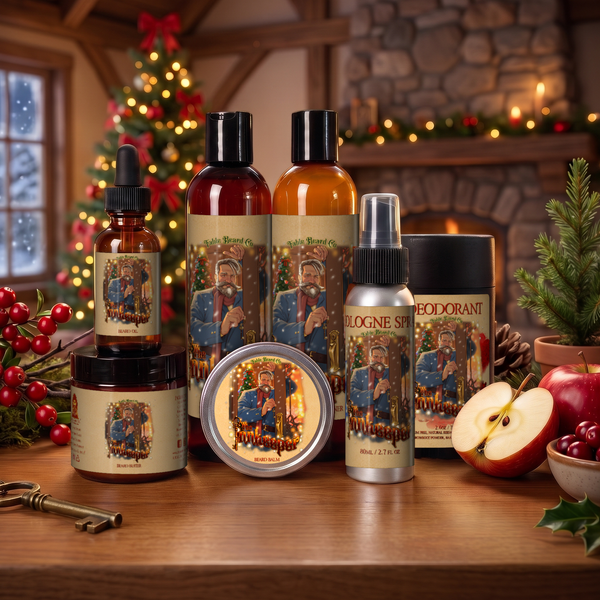
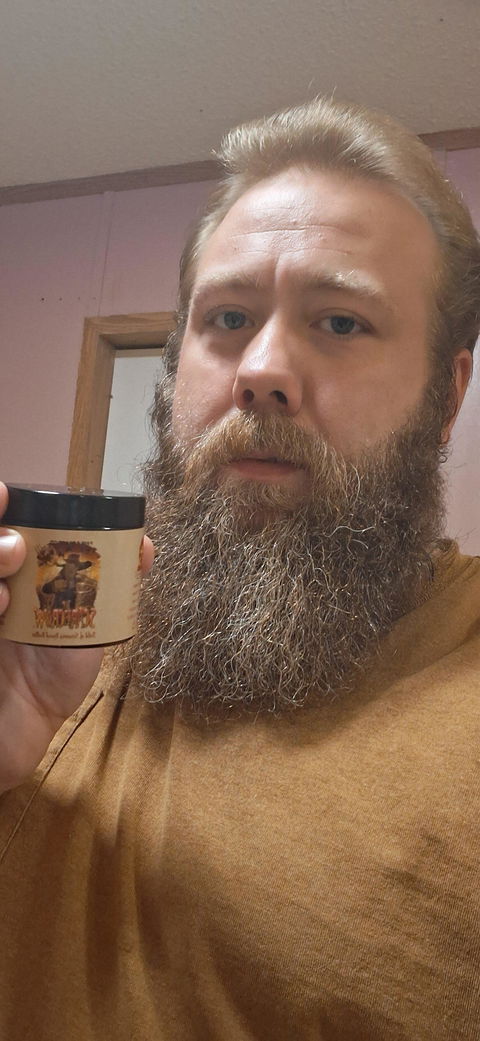
- The Musketeer Beard Balm. 2 oz tin, $23.99. Walnut, cognac and a hint of gunpowder. A small amount rubbed into the sides and combed down keeps wide chops from puffing out like a dandelion. This is the one I'd reach for first. See the whole beard balm lineup if another scent suits you better.
- The Musketeer Beard Oil. 1 oz bottle, $18.99. A few drops worked into the skin under the chops after a shower keeps the hair soft and the skin from feeling tight.
- The Barkeep Mustache Wax. 1 oz, $11.99, unscented. Only needed for friendly chops with a mustache you want to point or curl. It's unscented, so it won't fight the walnut and cognac.
How I use them: oil on damp hair, balm on top, comb the sides straight down. If you're new to balm, the guide on how to use beard balm shows how much to use.
Not sure which scent is yours?
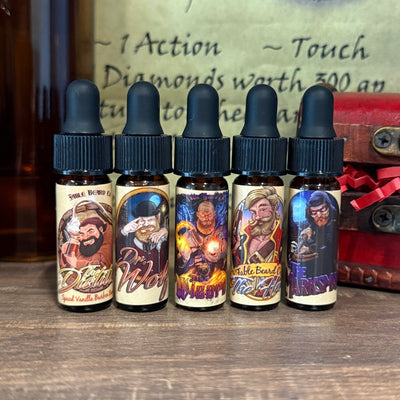
A man should test a few blades before he picks his sword, and the same goes for a scent. Try the Adventure Pack: five best-selling beard oil samples (The Hero, The Wizard, The Marksman, Dr. Wolf and The Distiller) for $29.99.
The daily duel: upkeep
Chops are only as sharp as the chin next to them. Two days of stubble on the chin and the whole look turns into "forgot to shave." This is my schedule:
- Every day or two: Shave the chin and, for classic chops, the upper lip.
- Weekly: Run the guard over the sides and touch up the neckline and cheek lines.
- Daily: Oil, comb, a little balm if they're puffing out.
One caution. Shaving the same patch of chin this often can bring on razor bumps, especially if your hair is curly. Shave with the grain, use a fresh blade, and if bumps keep coming back, read up on ingrown beard hairs before they get worse.
And if you decide the look isn't for you? No shame in a tactical retreat. Grow the chin back in and you'll have a full beard in a few weeks. See beard styles for men for where to go next.
FAQ
What's the difference between mutton chops and sideburns?
Regular sideburns stop around the ear. Chops keep going, wider and lower, down the cheeks to the jawline, while the chin is shaved clean.
What are friendly chops?
They're chops connected by a mustache across the upper lip. Only the chin and neck are shaved, so the hair forms one long arc from ear to ear.
How long does it take to grow chops?
Plan on 4 to 8 weeks of full growth before you shape them. Short chops can work after a month, while the big Victorian kind takes a few months.
Do chops suit a round face?
They can, if you keep them shorter and angle the bottom edge in toward the mouth. Wide, full chops tend to make a round face look wider.
Do I need beard balm for chops?
You don't need it, but it helps. A small amount of balm keeps wide sides from puffing out, and beard oil keeps the skin underneath comfortable.
One last thing
I went back to the tailor a month later for the jacket. He looked at my chops, then at his own clean chin, and asked how long it would take him. Four to eight weeks, I said, and a steady hand. He bought a comb on his way home. En garde, monsieur.
Your beard, your story.
— The Musketeer