Does Deodorant Expire? Shelf Life and Signs It's Gone Off
The TeacherFirst bell rang five minutes ago, and a student is already at my desk holding a deodorant stick like it's evidence in a trial. He found it in the back of his gym bag, the cap cracked, the label faded, and he wants to know one thing before he swipes: does deodorant expire? Good question. Take a seat. Today's lesson is short, and there's a quiz at the end (the FAQ counts).
Here's the short answer to does deodorant expire: yes, it does, just slowly. Most deodorants and antiperspirants keep working well for somewhere around two to three years, and many natural formulas made with oils and butters are best used within roughly a year or so of opening. An old stick usually isn't dangerous. It just works less well, smells off, or feels gritty on the skin. If it has changed color, smell or texture, or it irritates your skin, replace it.
- Deodorant does expire, but slowly. A rough guide is about two to three years for conventional sticks, often less for natural formulas once opened.
- Oils and butters in natural deodorant can go rancid over time, which is the most common reason they "turn."
- Signs it's gone off: a sour or crayon-like smell, grainy or crumbly texture, separation, color change, or new irritation.
- Heat is the enemy. Keep sticks out of hot cars and sunny windowsills, and keep the cap on.
- When in doubt, the date on the package beats any rule of thumb, including mine.
Lesson one: does deodorant expire, or does it just get old?
Both, a little. Think of deodorant like a loaf of bread rather than a can of beans. It doesn't hit a cliff on a certain date. It slowly drifts. The fragrance fades, the oils oxidize, the wax gets tired, and the active ingredients that fight odor lose some of their punch.
That's why the deodorant shelf life you see quoted online is always a range, not a number. It depends on what's in the stick, how it was made, whether it's been opened, and where it's been living.
Lesson two: deodorant vs antiperspirant shelf life
Before we compare, a quick vocabulary check. Deodorant handles smell. Antiperspirant handles sweat, usually with aluminum compounds that temporarily plug sweat ducts. Plenty of products do both. If you want the full breakdown, I'd send you to our guide on aluminum-free deodorant vs antiperspirant.
Here's how the shelf life usually shakes out. These are typical ranges, not guarantees, so treat them as a study guide.
| Type | Typical shelf life (rough) | What usually fails first |
|---|---|---|
| Antiperspirant stick or spray | About 2 to 3 years | Sweat-blocking strength, then texture |
| Conventional deodorant stick | About 2 to 3 years | Fragrance fades, stick dries out |
| Natural deodorant with oils and butters | Often about 12 to 18 months, sometimes less once opened | Oils go rancid, texture turns grainy |
| Aerosol spray | Often on the longer side, since the can is sealed | Propellant and spray pattern |
One more note for the curious student. In the US, antiperspirants are regulated as over-the-counter drugs, so you'll often find a printed expiration date on them. Plain deodorants are treated as cosmetics, and cosmetics generally aren't required to carry one. That's why your antiperspirant has a date stamped on the bottom and your deodorant might not.
Lesson three: does natural deodorant expire faster?
Often, yes. Does natural deodorant expire? It does, and it tends to show its age sooner, for a simple reason: food-grade ingredients behave like food.
Many natural deodorants lean on plant oils, butters and waxes. Those ingredients are lovely on skin, but over time they react with air, light and heat. That process is called oxidation, and the end result is rancidity. You know the smell from an old bottle of cooking oil at the back of the pantry: a little sour, a little like crayons, a little like a basement.
Natural formulas may also use gentler preservative systems than conventional ones, which can shorten how long they stay fresh once you start using them. None of this makes them worse. It just means they like to be used, not hoarded. If you're making the switch, our guide on switching to natural deodorant covers the adjustment period.
How to tell if your deodorant has gone off
Here's a five-point checklist. If your stick fails one, pay attention. If it fails two or more, it's time to retire it.
- Smell it. The scent should match what you remember. Sour, stale, waxy or crayon-like notes usually mean the oils have turned.
- Look at it. Yellowing, dark spots, white bloom on the surface, beads of oil or anything fuzzy are all red flags. Mold is rare in solid sticks, but if you see it, toss it.
- Feel it. A good stick glides. An old one can go grainy, crumbly, gritty or hard as a candle.
- Swipe test. If it drags, pulls hair or leaves clumps, it won't spread evenly, and uneven coverage means uneven protection.
- Skin check. New itching, redness or a rash from a stick you've used happily for months can mean it has changed. Stop using it, and if the irritation sticks around, see a doctor or dermatologist.
And here's the extra credit question. If your old deodorant looks and smells fine but you're still not making it to lunch smelling fresh, the stick may not be the whole story. Our lesson on how to get rid of armpit odor covers the other habits that matter.
Finding the deodorant expiration date
Look in three places before you guess.
- The bottom or back of the package. Antiperspirants often have an "EXP" date printed or stamped on them.
- The open jar symbol. Some products show a tiny open-jar icon with a number like "12M." That means the maker suggests using it within about 12 months of opening.
- A batch code. A string of letters and numbers usually tells the manufacturer when it was made. You can't always decode it, but the company's customer service often can.
Here's a habit I give every class. When you open a new stick, write the month on the bottom with a marker. It takes four seconds and saves you from the "how long have I had this?" mystery later.
How to store deodorant so it lasts
Storage is where most sticks win or lose. A few simple rules:
- Keep it cool. Heat melts sticks, especially natural ones with a lower melting point. A melted stick that hardens again can come back grainy or split. Hot cars and sunny windowsills are the usual culprits.
- Keep the cap on. Air speeds up oxidation and dries out the formula.
- Keep it dry. A steamy shower shelf is not ideal. A drawer or cabinet outside the shower splash zone is better.
If your stick did melt, let it cool upright in a cool room. If it sets back up smooth and smells right, it's usually fine to keep using.
Is it safe to use expired deodorant?
Usually it's more of a performance problem than a safety one. An old stick that still looks and smells normal will probably just work a bit less well. The scent fades sooner, and an old antiperspirant may not hold back sweat the way it did.
The exceptions are the ones I listed above. If it smells rancid, looks moldy, or starts bothering your skin, don't push your luck. Replace it. And if you're dealing with a skin condition or a rash that won't settle, check with a doctor or dermatologist rather than guessing.
My picks for the next stick
If your old stick just failed the checklist, here's where I'd start. I'm keeping it to what I know about our products, not making up a shelf life for them, since that depends on storage like everything above.
- The Teacher Deodorant. $13.99. Fresh Apples, Wild Berries, Creamy Vanilla. My own blend: fruity, a little sweet, and easy to wear to class.
- Our natural deodorant lineup. Our deodorants like The Teacher and The Baker are $13.99 each, so pick by scent. Match it to your beard oil.
- The Teacher Beard Oil. 1 oz, $18.99. Same apple, berry and vanilla notes, built on castor, coconut, sweet almond, argan and jojoba oils plus fragrance oil.
Sweet almond and argan come from tree nuts, so if you have a nut allergy, talk to your doctor and patch test on your jaw first.
Not sure which scent is yours?
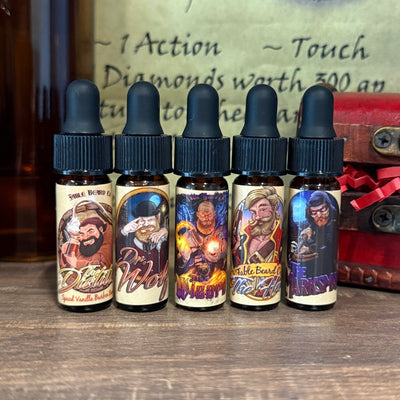
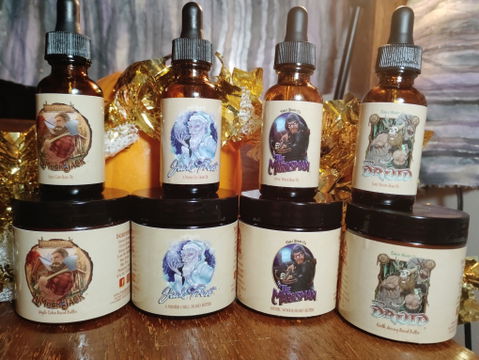
Here's your homework before you commit to a full bottle: smell a few side by side. Try the Adventure Pack: five best-selling beard oil samples (The Hero, The Wizard, The Marksman, Dr. Wolf and The Distiller) for $29.99.
FAQ
Does deodorant expire?
Yes, slowly. Most deodorants and antiperspirants work well for roughly two to three years, while natural formulas with oils and butters are often best used within about a year or so of opening. Check the package for a date and trust your nose.
Does natural deodorant expire faster?
Often, yes. Plant oils and butters can oxidize and go rancid over time, and natural formulas may use gentler preservatives. Store them cool and use them rather than stockpiling.
How can I tell if my deodorant has gone bad?
Look for a sour or crayon-like smell, a grainy or crumbly texture, separation, discoloration or mold, and new skin irritation. If it fails two or more of those checks, replace it.
Where is the deodorant expiration date?
Check the bottom or back of the package for an EXP date, or an open-jar symbol with a number like 12M. Plain deodorants may not have a date at all, so write the month you opened it on the bottom.
Is it bad to use expired deodorant?
Usually it just works less well. But if it smells rancid, looks moldy or irritates your skin, stop using it, and see a doctor or dermatologist if a rash doesn't settle.
Can I fix a deodorant stick that melted?
Let it cool upright in a cool room with the cap on. If it sets back up smooth and smells normal, it's usually fine. If it comes back grainy or split, it may not apply evenly, so consider replacing it.
One last thing
Last bell. My student from this morning tossed the cracked stick in the trash on his way out, and I saw him write a date on the bottom of a fresh one with my good marker. I'm letting that slide. Lesson learned, homework done: check the date, trust your nose, keep it cool. Class dismissed.
Your beard, your story.
— The Teacher