Beard Fade: What It Is and How to Fade Your Beard at Home
The MarksmanField note, 0500, the morning of a hunt. Coffee on the tailgate. Before I check the rifle, I check the trimmer. Guards laid out on a towel in a row, smallest to largest: 1, 2, 3, 4, then the long one for the beard. I count them twice, like rounds in a magazine. One missing guard means one bad shot, and on a face a bad shot shows for two weeks.
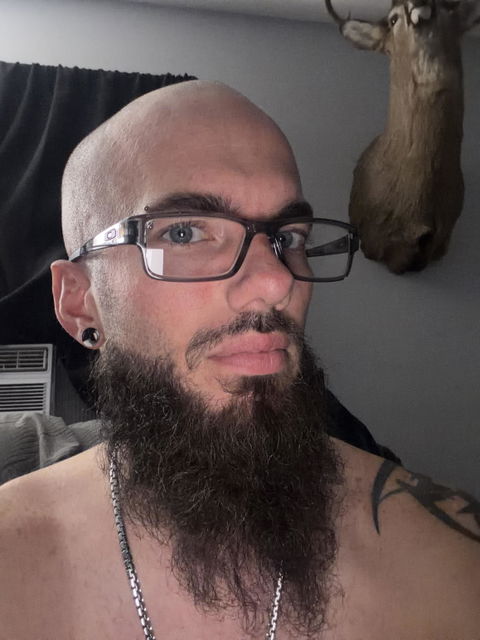
So here's the answer. A beard fade is a gradual step down in length, so your beard blends into your haircut instead of meeting it at a hard line. The classic version runs from short hair at the temple, down through the sideburn, into full beard length at the jaw. You do it with a trimmer and a ladder of guards, each one a size longer than the last, working in narrow bands. The same trick works on the cheeks and the neck. It takes about 20 to 30 minutes and a steady hand.
- It's a gradual change in length, short to long, so the beard blends into your haircut at the sideburns instead of meeting it at a hard line. Cheek and neck fades use the same idea.
- The basic ladder: about a #1 at the temple, then #2, #3 and #4, stepping down to your beard length at the jaw. Use every guard. Skipping one leaves a stripe.
- Work in bands of roughly half an inch to an inch, longest guard first, and flick the trimmer out at the end of each pass to soften the line.
- Too high is the shot you can't take back. Start low, check both sides in the mirror, and go higher only on the next pass.
- See a barber for a skin fade, a first attempt on a long beard, or a fade that has to match a fresh haircut exactly.
What a beard fade actually is
Short haircut, full beard, no blend: the hair stops at the top of the ear and a thick beard starts right below it. It looks like a hat on someone else's head. A fade closes that gap, so the eye reads one shape from scalp to chin.
There are three places people fade:
- Sideburns. The beard fade into haircut. This is what most people mean, and it's my main target here.
- Cheeks. Shorter at the top of the cheek, longer toward the jaw. It slims a round face.
- Neck. Tapering shorter toward the neckline, so a full beard doesn't spill onto your collar.
Barbers also say low, mid, high or skin fade. That's where the shortest band sits and how short it goes. A skin fade takes the top band to bare skin with a foil shaver or razor. A faded beard doesn't need that to look sharp. At home, stop at a #1.
Beard fade guard numbers, by zone
Aim small, miss small. Here's the ladder I use for a sideburn fade into a short to medium haircut. Lengths are for standard clipper guards. Trimmer brands vary, and some label guards in millimeters, so check what's printed on yours before you start.
| Zone | Guard | Approx. length |
|---|---|---|
| Temple, top of the sideburn | #1 | 1/8 inch (3 mm) |
| Top of the ear | #2 | 1/4 inch (6 mm) |
| Middle of the ear | #3 | 3/8 inch (10 mm) |
| Earlobe | #4 | 1/2 inch (13 mm) |
| Jaw and below | Your beard length | Often #5 to #8 or scissors |
If your haircut is shorter than a #1 at the sides, start at whatever your barber used. If your beard is long, add rungs below the earlobe so you never jump more than one size.
Tools for the job
- A trimmer with a full set of guards. Brand matters less than sharp blades and guards that snap on tight.
- A fine-tooth comb.
- A well-lit mirror, plus a hand mirror for the side view.
How to fade a beard at home, step by step
Read every step before the trimmer goes on.
- Wash, dry and comb out. Fade a dry beard. Wet hair dries shorter than it looks.
- Trim the beard first. Take the whole beard to length with your longest guard. Set the bottom of the ladder before you build the top.
- Mark your bands. Four points per side: temple, top of the ear, middle of the ear, earlobe. Use the ear as your ruler. You can find it on both sides without guessing.
- Run the #4 up to the middle of the ear. Guard flat to the skin, cutting upward. At the top of the band, tilt the trimmer away and flick out. The flick keeps you from carving a line.
- Run the #3 up to the top of the ear. Start it a little lower than where the #4 ended, so the bands overlap. Same flick at the top.
- Run the #2 up to the temple. Same overlap, same flick.
- Run the #1 on the top band only. Short strokes. Stop when it matches your haircut.
- Blend the seams. See a line between two bands? Make light flicking passes on the seam with the shorter guard, or a half-size guard if you have one.
- Repeat on the other side, then check both. Stand square to the mirror and compare where each band ends. Fix a mismatch by bringing the low side up, never by pushing the high side higher.
- Clean up the edges. Neckline and cheek line last, once the fade is done. I cover the sharp edges in the beard line up guide, and the neck gets its own walkthrough in how to trim your beard neckline.
For a cheek fade, run the same ladder sideways: short at the top of the cheek, one size longer every half inch toward the jaw. For a neck fade, go short at the neckline and longer as you move up toward the jaw.
The mistakes that ruin the shot
- Going too high, too fast. This is the big one. Once the #1 band climbs too far, you can't put it back. Start low.
- Skipping a guard. Jumping from a #2 to a #4 leaves a stripe you can see from across a parking lot.
- Stopping dead. End a pass flat and you draw a line. Flick out.
- Trusting a loose guard. A guard that pops off mid-pass takes a bite out of your sideburn. Snap it on, tug it, then cut.
If you miss, don't chase it shorter. Blend around it with the next guard up and give it a week. Hair grows back.
Keeping a faded beard sharp
A fade puts prickly short hair next to longer hair that can go dry and wiry. Oil and balm won't fix a bad cut, but they make a good one sit right.
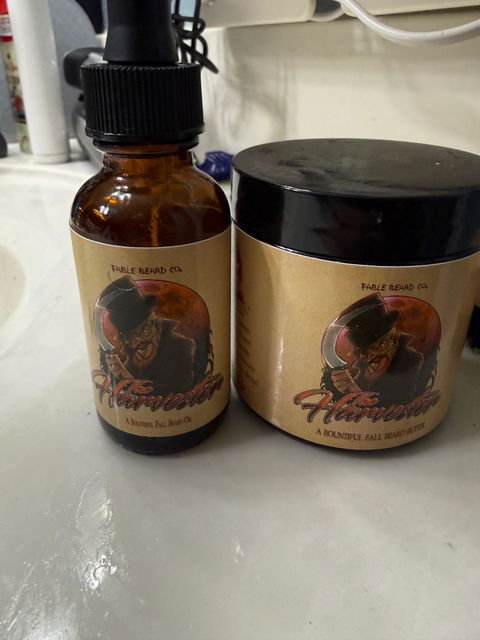
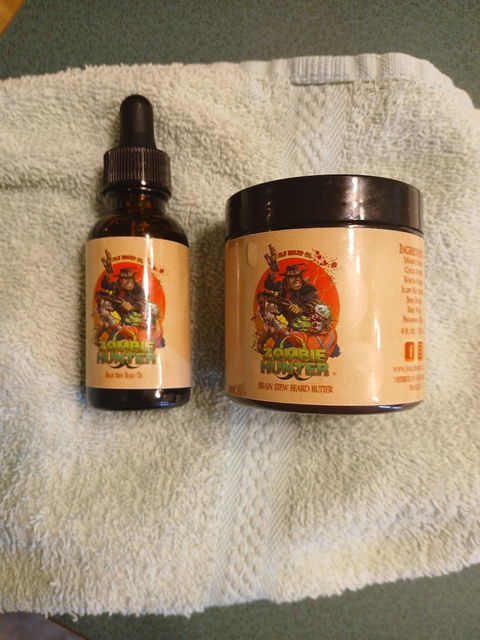
- The Marksman Beard Oil. 1 oz, $18.99. Crisp pine, warm cedar and mystical amber. A few drops after the shower soften the short bands so they don't scratch, and conditions the skin under the longer part of the beard. It's made with castor, coconut, sweet almond, argan and jojoba oils. Sweet almond and argan come from tree nuts, so if you have a nut allergy, check with your doctor first and patch test a drop on your jaw.
- The Marksman Beard Balm. 2 oz tin, $23.99. Same woodsy family as the oil, with fresh sandalwood and soft mosses added. A small amount pressed into the longer part of the beard tames flyaways, so the fade line stays where you cut it instead of fluffing out by lunch.
Oil on the whole beard, balm on the longer part, then comb it into shape. If you want to see how the fade fits into the overall outline, how to shape a beard covers silhouette by face shape. Want both in one box? The oil and balm kits pair them up.
Touch-ups: the top bands show regrowth first. Most guys redo the #1 and #2 every week or two and leave the rest of the ladder alone longer.
When to see a barber
Book a barber when:
- You want a skin fade. Taking the top band to bare skin cleanly is real barber work.
- Your beard is long and you've never faded it. A first mistake on six inches of beard costs months.
- You need the fade to match a fresh haircut exactly, say before a wedding.
Good plan: get it done once at the shop, note the guards they use, then maintain it yourself.
FAQ
What is a beard fade?
A beard fade is a gradual blend from shorter hair to longer hair. Most often it runs from a short haircut at the temple down through the sideburn into a fuller beard, so there's no hard line where the haircut ends and the beard starts.
What guard numbers do I use to fade my beard?
A common ladder is a #1 at the temple, #2 at the top of the ear, #3 at the middle of the ear and #4 near the earlobe, then your normal beard guard below that. Guard sizes vary by brand, so check the length printed on yours.
Can you fade a beard without a barber?
Yes. A trimmer with a full set of guards, a mirror and a steady half hour is enough for a basic sideburn fade. A skin fade or a tight match to a fresh haircut is easier to get right at a barbershop.
How long does my beard need to be to fade it?
Long enough that there's a visible difference between your guards, so at least a few weeks of growth. If your whole beard is shorter than a #4, there isn't much length to blend and the fade will barely show.
How often should I touch up a fade?
Most guys touch up the short bands every one to two weeks, because the shortest hair shows regrowth first. The longer beard below can go longer between trims.
One last thing
Back to the tailgate. Every guard accounted for, the fade checked in the truck mirror, both sides even. The deer didn't care what my sideburns looked like. I did. A clean fade is the same as a clean shot: the right tool, one step at a time, and no rushing the last inch.
Your beard, your story.
— The Marksman